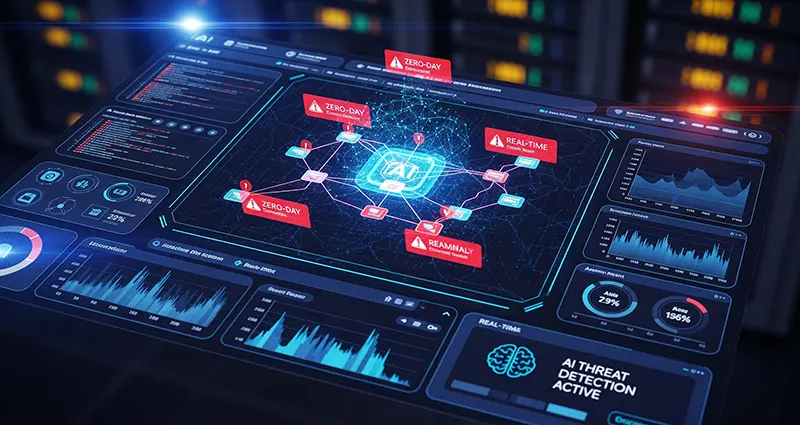
Using AI for Real-Time Zero-Day Threat Detection in Enterprise Networks

In the rapidly evolving landscape of cybersecurity, enterprise networks face continuous threats that challenge traditional defense mechanisms. Among these threats, zero-day attacks represent some of the most dangerous and elusive vulnerabilities. Leveraging artificial intelligence (AI) for real-time zero-day threat detection has become a pivotal strategy to enhance enterprise security and stay ahead of cyber attackers.

Understanding Zero-Day Threats

Zero-day threats refer to previously unknown security vulnerabilities that hackers exploit before developers can create patches or fixes. Because there is no existing signature or defense mechanism, zero-day attacks can cause significant damage, leading to data breaches, system downtime, and financial losses.

The Challenge of Detecting Zero-Day Threats

Traditional security solutions, such as signature-based antivirus and intrusion detection systems, rely on known threat patterns. These methods struggle to identify zero-day attacks as they have no historical data or signatures to reference. This limitation necessitates advanced, adaptive, and intelligent detection techniques.

How AI

Read More
Using Machine Learning for Predictive Maintenance in Large-Scale Data Centers

In today’s digital age, large-scale data centers are the backbone of countless services, from cloud computing to streaming platforms. Ensuring their smooth operation is crucial, as downtime can result in significant financial losses and customer dissatisfaction. One of the most effective ways to maintain these complex infrastructures is through predictive maintenance powered by machine learning.

What is Predictive Maintenance?

Predictive maintenance involves forecasting equipment failures before they happen, allowing for proactive repairs instead of reactive fixes. This approach minimizes unexpected downtime, reduces maintenance costs, and extends the lifecycle of critical assets.

Why Machine Learning is a Game Changer

Traditional maintenance strategies often rely on scheduled checks or reactive approaches, which can be inefficient and costly. Machine learning (ML), on the other hand, leverages vast amounts of operational data to identify patterns and anomalies that human operators might miss. This enables more accurate predictions about when and where failures might occur.… Read More

Automated Data Backup and Seamless Synchronization Across Devices with Wireless NAS for Home

In today’s digital age, data is the lifeblood of our daily lives. From important documents and photos to music and videos, our digital assets hold great value. However, the risk of losing this data is a constant concern for many. Thankfully, advancements in technology have made it easier than ever to safeguard our data through automated data backup and seamless synchronization across devices. One such solution is the use of a wireless NAS (Network Attached Storage) system for home.

Understanding Automated Data Backup

Automated data backup is the process of regularly making copies of important files and storing them in a separate location. This practice protects against data loss caused by hardware failure, accidental deletion, or malware attacks. Traditionally, data backup involved manually copying files to external drives or cloud storage. However, this process can be time-consuming and prone to human error. With automated data backup, the process is streamlined … Read More

Enhancing Privacy and Security: The Importance of Creating Separate WiFi Networks for Visitors in Guest Networks

In a world where connectivity is paramount, ensuring privacy and security when granting network access to visitors has become a significant concern for homeowners. Guest networks offer a solution by allowing guests to connect to a separate WiFi network while safeguarding the privacy and security of the primary network. This article explores the benefits and importance of creating separate WiFi networks for visitors in guest networks, emphasizing the role they play in protecting sensitive information and ensuring a secure digital environment for both homeowners and guests.

Creating Separate WiFi Networks for Visitors:

Establishing a guest network with a separate WiFi network provides numerous advantages for homeowners seeking to maintain privacy and security. Key benefits of creating separate WiFi networks for visitors in guest networks include:

  1. Privacy Protection: By setting up a separate WiFi network for visitors, homeowners can prevent guests from accessing sensitive data or devices connected to the primary
Read More
Enjoy Seamless Entertainment with Enhanced Streaming Capabilities in Multimedia NAS Storage for Home

With the growing demand for digital entertainment, having a reliable and versatile storage solution that can handle streaming of movies, music, and photos is essential for home users. Multimedia Network Attached Storage (NAS) devices have emerged as an ideal solution, offering advanced streaming capabilities that cater to the diverse media needs of homeowners. This article explores the benefits and features of streaming capabilities in Multimedia NAS storage, enabling users to enjoy seamless access to their favorite movies, music, and photos right at home.

Streaming Capabilities:

Multimedia NAS storage devices come equipped with robust streaming capabilities that enhance the overall entertainment experience for users. The key features and advantages of streaming capabilities in Multimedia NAS storage include:

  1. Media Server Functionality: Multimedia NAS devices serve as powerful media servers, enabling users to stream movies, music, and photos to various devices within their home network. This feature allows for easy access to media
Read More